Another Tag Font: Capturing Urban Energy in Design
In the world of typography, where clean lines and readability often dominate, there exists a category of fonts that thrive on raw expression and immediate impact. Another Tag Font is a prime example of this, a typeface that doesn't just display words but injects them with the unmistakable pulse of the street. It's not a font for quiet elegance; it's a visual shout, designed to grab attention and communicate a specific, powerful attitude. For designers, marketers, and creators looking to tap into urban culture, understanding this font is key to unlocking a potent visual language.
Anatomy of a Streetwise Typeface
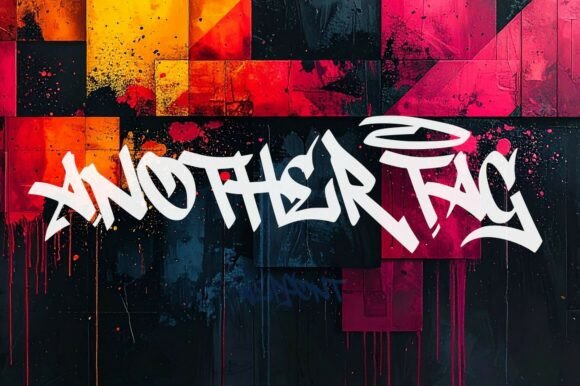
What exactly defines Another Tag Font? At its core, it's a highly stylized graffiti-inspired typeface. This means it borrows heavily from the visual vocabulary of street art. The letterforms are typically bold and angular, built on sharp edges and dynamic, almost aggressive flourishes. You can see the influence of a marker or spray can in its construction—letters might connect in unconventional ways, overlap, or feature deliberate, quick strokes that suggest movement and rebellion.
Unlike serif or sans-serif fonts designed for long-form reading, Another Tag Font prioritizes attitude over absolute legibility. Its strength lies in its ability to convey a feeling instantly: gritty, contemporary, and unapologetically urban. The characters often feel like they're in motion, creating a sense of energy that static, traditional fonts simply cannot replicate. This makes it a compelling choice for projects where the feeling conveyed is as important as the message itself.
Where This Font Truly Shines: Practical Applications
The utility of Another Tag Font extends across a surprising range of projects, primarily where a specific aesthetic is desired. Its value is most apparent in contexts that celebrate urban culture, youthfulness, and a rebellious edge.
Commercial and Branding Projects
For businesses and creators in certain industries, this font can be a cornerstone of brand identity. Consider its use in:
- Streetwear Branding: Logos, hang tags, and labels for clothing lines that draw from skate, hip-hop, or punk subcultures. The font's inherent style aligns perfectly with the product's ethos.
- Music Industry Visuals: Album covers, concert posters, and merchandise for hip-hop, punk, alternative, or electronic artists. It visually telegraphs the genre's energy before a single note is heard.
- Event Promotion: Flyers and social media graphics for underground clubs, music festivals, or urban art shows. It sets an immediate tone of excitement and non-conformity.
- Digital Media and Entertainment: Title screens, menu graphics, or promotional art for video games with an urban or action-oriented theme.
Creative and Personal Use
Beyond commercial applications, Another Tag Font finds a home in personal and creative projects. It can be used to design impactful posters for personal projects, create unique social media graphics that stand out in a feed, or even develop stylized headers for blogs and websites focused on street art, urban photography, or contemporary music reviews. For a graphic designer building a portfolio showcasing edgy work, incorporating this font demonstrates a specific stylistic capability.
The Strategic Benefits: More Than Just a Look
Choosing Another Tag Font is a strategic decision that offers several tangible benefits for a project:
- Instant Recognition and Tone-Setting: The font communicates a specific vibe—urban, edgy, youthful, rebellious—within milliseconds. This can save significant effort in explaining a brand's personality through other design elements.
- High Impact and Engagement: In a crowded visual landscape, its bold and distinctive style helps headlines and key messages cut through the noise. It's designed to be noticed, which is crucial for advertising and social media.
- Authentic Connection with Target Audiences: For audiences immersed in or appreciative of urban culture, the font feels authentic and relatable. It speaks their visual language, fostering a deeper connection than a generic corporate typeface ever could.
- Creative Versatility within Its Niche: While not for body text, it excels in headlines, logos, and short, impactful phrases. It pairs well with cleaner, more neutral fonts for body copy, creating a balanced and professional design.
Important Considerations for Implementation
However, like any specialized tool, Another Tag Font requires careful consideration. Its strengths can become weaknesses if misapplied.
Legibility is a Priority: This font is best used for display purposes—short headlines, logos, and titles. Using it for paragraphs or detailed instructions would likely frustrate readers. Always test the specific text you plan to use at the intended size to ensure the words are recognizable. Some stylized fonts can obscure letterforms, so "Another Tag" should be evaluated for clarity.
Context is Everything: The font carries strong cultural connotations. Using it for a law firm's brochure or a luxury spa's website would create a jarring and inappropriate dissonance. It must align with the subject matter and the intended audience's expectations. Its power lies in its specificity.
Pairing with Other Fonts: To maintain professionalism and readability, pair Another Tag Font with a simple, clean sans-serif or serif font for body text. This contrast allows the headline font to stand out while ensuring the overall design remains functional and easy to digest. A good pairing lets the energy of "Another Tag" shine without overwhelming the viewer.
Licensing and Usage: Always verify the font's license. Many stylistic fonts like this are available for personal use but require a commercial license for business projects, merchandise, or client work. Respecting the font creator's rights is a fundamental part of professional practice.
A Tool for Specific Missions
Ultimately, Another Tag Font is not a universal solution but a powerful, specialized tool. It excels when the goal is to inject a project with the raw, unpolished energy of graffiti art and urban street culture. For the right project—be it a new streetwear brand, an album launch, or a community event poster—it can be the element that transforms good design into something truly resonant and attention-commanding. By understanding its characteristics, applications, and the necessary context for its use, creators and professionals can leverage its unique style to communicate with striking effectiveness and authenticity.